






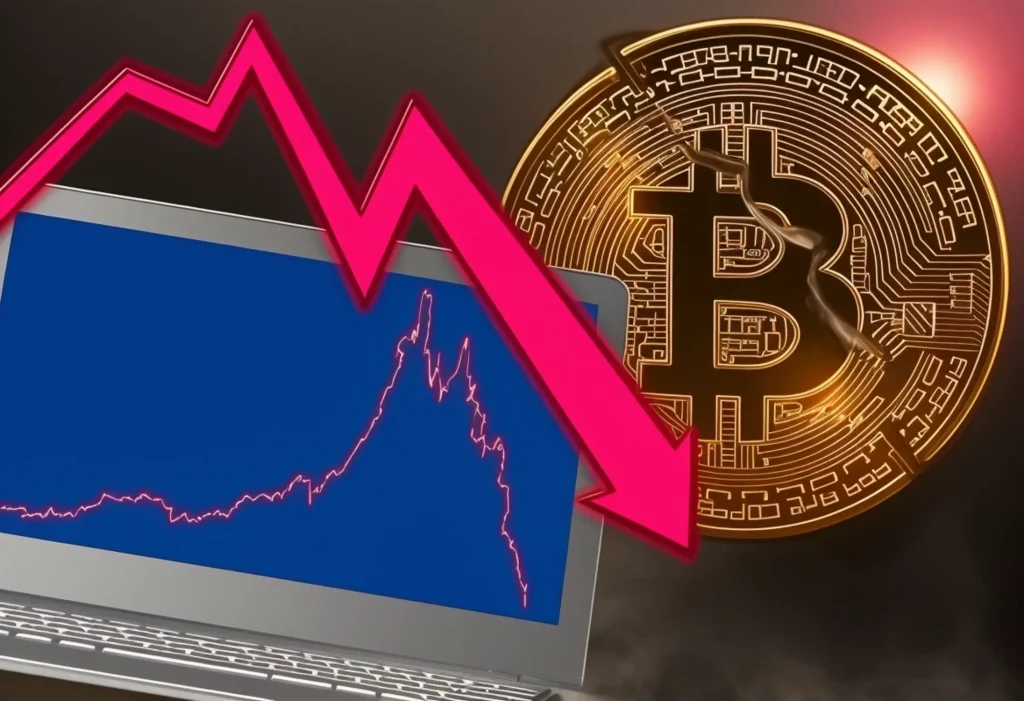
As rising interest rates begin to take hold, Bitcoin and Ethereum face increasing pressure that could disrupt their stability. Understanding the interplay between these cryptos, interest rates, and the broader crypto economy is crucial for investors and enthusiasts looking to navigate these turbulent waters right now.
Impact of Interest Rates on Bitcoin and Ethereum
The relationship between rising interest rates and the stability of Bitcoin and Ethereum is becoming more apparent. As borrowing costs increase, investors may seek safer assets, thereby reducing their inclination to invest in cryptocurrencies. Historically, higher interest rates have correlated with declines in speculative investments, including digital currencies. For instance, during previous tightening cycles by the Federal Reserve, the volatility in the crypto markets often surged as investor confidence waned, showcasing how sensitive Bitcoin and Ethereum can be to macroeconomic changes, as highlighted in a recent analysis.
When interest rates rise, the opportunity cost of holding non-interest-bearing assets like Bitcoin and Ethereum increases. Investors might prefer assets that yield interest or dividends. Consequently, as these digital assets compete with other investment vehicles, their attractiveness may decrease, potentially leading to lower prices and increased volatility.
The Crypto Economy in Transition
Macroeconomic changes significantly affect the entire crypto economy. With rising interest rates, market liquidity can suffer, inhibiting new investments in cryptocurrencies. High borrowing costs deter entry into the market for both retail investors and institutions, effectively shrinking the pool of capital available for Bitcoin and Ethereum. Low liquidity conditions can lead to exaggerated price movements, making stable markets even more precarious. Reports indicate that institutional investors are already recalibrating their strategies amid these changes, affecting the overall perception and investment flow into the sector.
Furthermore, as borrowing becomes costlier, many existing projects may struggle to secure funding for expansion or development, leading to potential project failures within the crypto space. The wider implications for the crypto economy suggest that sustained interest rate hikes could alter the landscape, driving innovation into more secure and established areas rather than speculative endeavors.
Federal Reserve’s Role in the Crypto Landscape
The Federal Reserve plays a significant role in shaping financial markets, and by extension, the cryptocurrency sector. Changes in monetary policy can have immediate effects on investor sentiment in crypto. A hawkish stance might lead to fears of recession, which often dampens appetite for volatile assets like Bitcoin and Ethereum. As industry experts note, the Fed’s monetary policy decisions can create an environment of uncertainty, prompting investors to withdraw from riskier investments.
Long-term consequences of the Fed’s policies may include a rethinking of the role that cryptocurrencies play in investment portfolios. If these digital assets are seen as becoming too volatile due to economic cycles, they might lose their status as

About The Author




More Stories
The Hidden Truth About Bitcoin’s Price Resilience Amid Global Turmoil
What No One Tells You About XLM’s Price Risks and Opportunities
Why Job Revisions Are About to Change Everything for Bitcoin Investors