





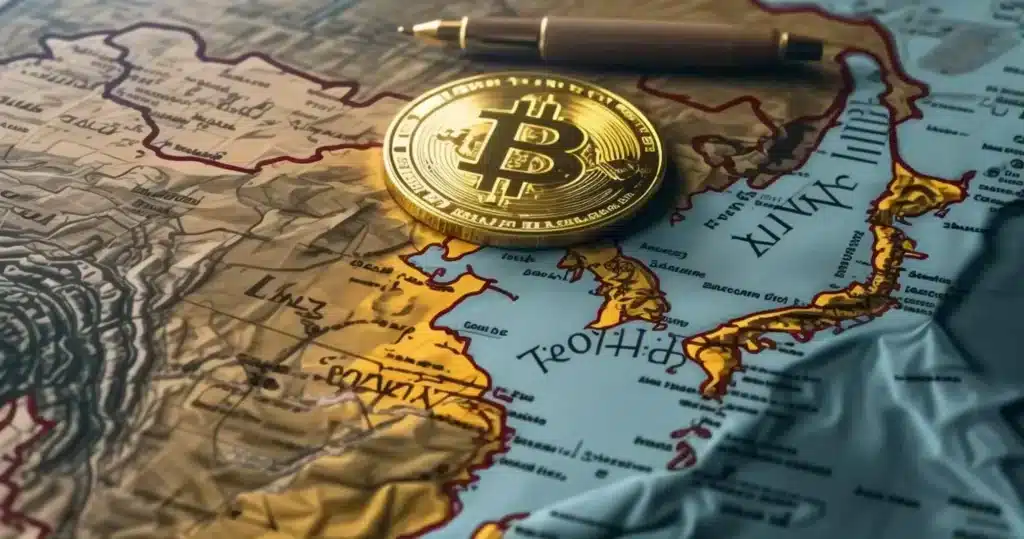
Geopolitical risks are reshaping the financial landscape globally, and for Bitcoin investors, staying informed about these changes is essential. As tensions elevate worldwide, understanding their implications on Bitcoin prices and market dynamics has become critical for sound investment decisions. This article explores how the geopolitical climate influences investor sentiment and strategies in the cryptocurrency market.
Geopolitical Risks Affecting the Cryptocurrency Landscape
Political instability and international tensions can significantly influence the cryptocurrency landscape. Currently, nations are grappling with a range of geopolitical tensions, from trade wars to military conflicts. Such scenarios cultivate an environment of uncertainty where investor confidence wanes. For instance, rising geopolitical tensions have prompted Bitcoin prices to fluctuate, as investors often react to crises by seeking refuge in digital currencies. According to recent reports, geopolitical uncertainty has been a driving factor behind the recent market volatility.
The interconnectedness of global events means that local Bitcoin markets can be influenced by international developments. Political unrest in major economies often leads to intensified speculation, pushing Bitcoin to new highs or lows depending on the sentiment. This suggests that investor awareness of geopolitical risks must extend beyond mere economic indicators to include an understanding of global political dynamics.
Current Economic Climate and Its Effects on Bitcoin
The current economic situation in the United States plays a crucial role in shaping Bitcoin’s market stability. As inflation rates remain high and economic uncertainties loom, the attitudes of investors shift dramatically. Bitcoin, often regarded as a hedge against inflation, becomes an appealing asset during turbulent economic times. For example, Bitcoin’s price reacts to the expectations surrounding U.S. monetary policies, especially the Federal Reserve’s interest rates strategy. As seen in various analyses, the interplay between inflation and investor sentiment can lead to significant price volatility in Bitcoin and other cryptocurrencies.
In fact, according to an evaluation of the U.S. economy, uncertainties surrounding economic policies can trigger rapid fluctuations in Bitcoin’s value, leading to moments of both huge gains and steep losses. Therefore, comprehending this relationship is vital for investors aiming to make informed decisions in today’s unpredictable market.
Responses from Investors Amidst Rising Tensions
As geopolitical risks rise, Bitcoin investors are showing varied responses, reflecting their adaptive strategies in volatile markets. Many are increasingly diversifying their portfolios to cushion against potential downturns caused by geopolitical instability. This could mean shifting assets into Bitcoin or alternative cryptocurrencies, which are perceived as less correlated to traditional market movements.
Moreover, as reported, some investors adopt a more cautious approach, opting to hold their Bitcoin rather than liquidating during market dips. These trends indicate a broader shift in investment patterns correlating with rising global tensions. Investors are more focused on strategies that not only safeguard their capital but also enable them to capitalize on potential market opportunities created by instability.
Link Between Geopolitical Events and Market Trends
The relationship between geopolitical events and market trends is complex yet fascinating. Major global developments, such as conflicts or trade agreements, directly influence Bitcoin’s price fluctuations. For instance, announcements of diplomatic negotiations can lead to a spike in Bitcoin’s value, as investors anticipate potential economic benefits. Conversely, news of sanctions or military actions might trigger a sell-off, as fear permeates the market.
Understanding these trends provides invaluable insights into how investors might position themselves in light of ongoing global developments. As uncertainty abounds, keeping an eye on international headlines is crucial for developing effective investment strategies. This awareness allows investors to respond not only proactively but also reactively when faced with sudden market changes.
The Role of Bitcoin in Economic Diversification
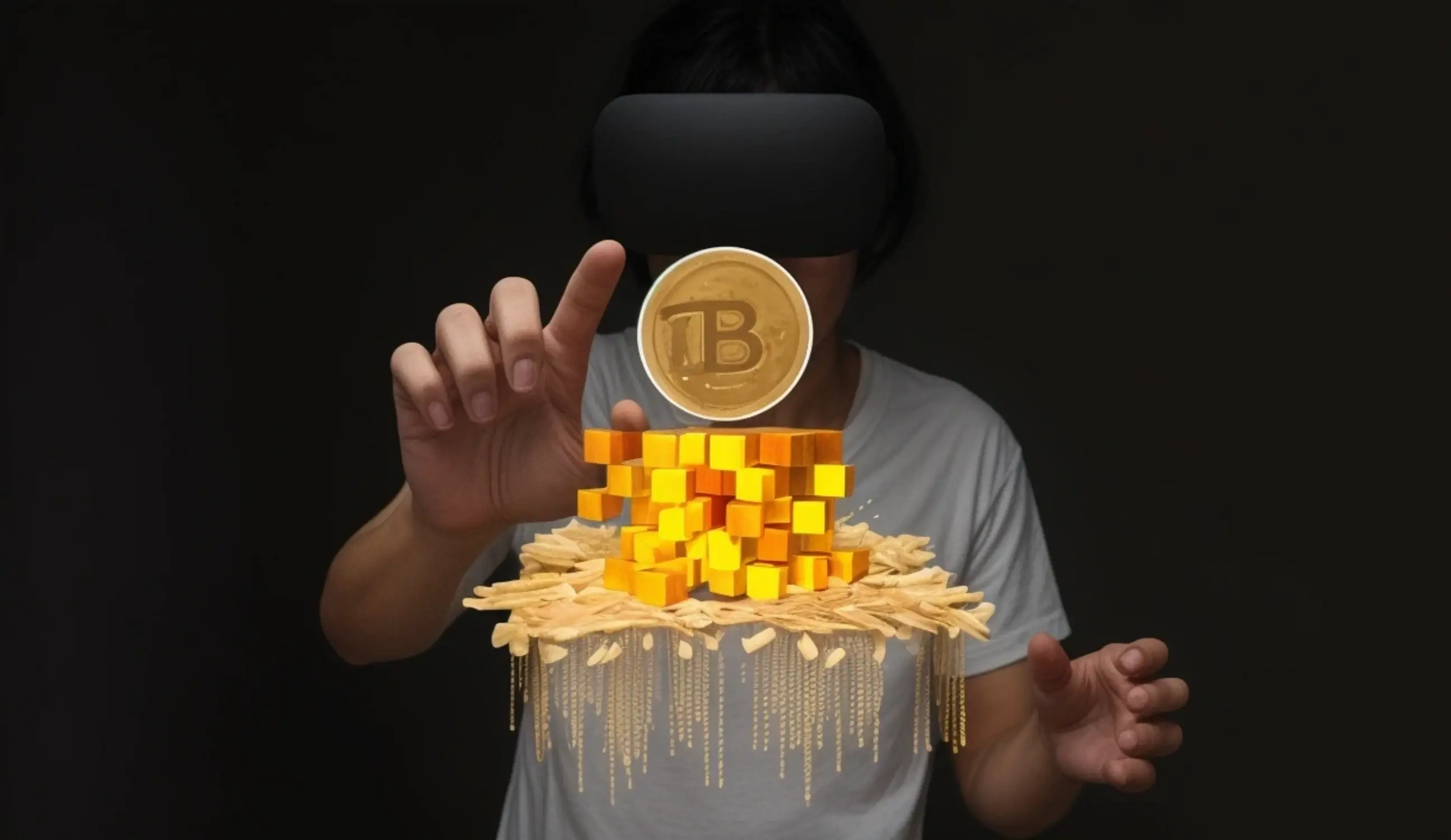
Given the current climate of unpredictability, Bitcoin is increasingly viewed as a viable option for economic diversification. By providing a hedge against geopolitical risks, Bitcoin allows investors to mitigate potential losses related to traditional assets. Its decentralized nature makes it relatively insulated from government intervention and international sanctions, positioning it uniquely in the investment landscape.
Investors seeking stability in uncertain times can benefit from incorporating Bitcoin into their portfolios. This digital asset not only diversifies risk but also enhances the potential for capital appreciation in a global economy characterized by volatility. Bitcoin’s unique properties, including limited supply and high liquidity, further amplify its attractiveness as a portfolio diversifier for risk-averse investors.
Key Takeaways for Bitcoin Investors
In summary, geopolitical risks are significantly reshaping the investment landscape for Bitcoin. Investors must remain vigilant and adaptive, using insights from geopolitical developments to inform their strategies. By understanding how these factors influence market dynamics, they can navigate complexities more effectively. Investors are urged to continually assess their portfolios, considering Bitcoin not just as an investment but as a fundamental component of economic diversification.
As the landscape evolves, being proactive and informed will be key to thriving in this volatile environment. The interplay of geopolitical factors and economic trends presents both challenges and opportunities, setting the stage for the future of Bitcoin investment.
About The Author




More Stories
Why Kiyosaki’s Predictions Could Trigger a Stock Market Crash Soon
5 Predictions About the Impact of Stagflation on Bitcoin Investments That’ll Shock You
How Investors Are Using Bitcoin to Diversify in Changing Markets